
MOGADISHU, Somalia — September 4, 2026
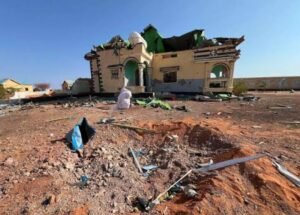
Türkiye’s expanding military involvement in Somalia is facing increased scrutiny following accusations surrounding an attack in Doolow involving the residence of former senior security commander General Mahad Abdirahman Aden “Shub.”
The development has renewed debate over the role of foreign military partners in Somalia and the need for transparency when military operations involve international forces or foreign military capabilities.
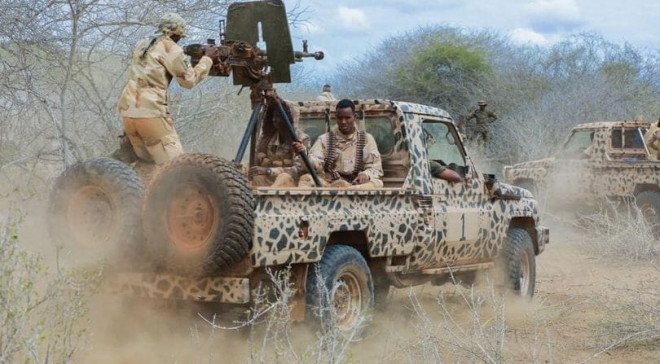
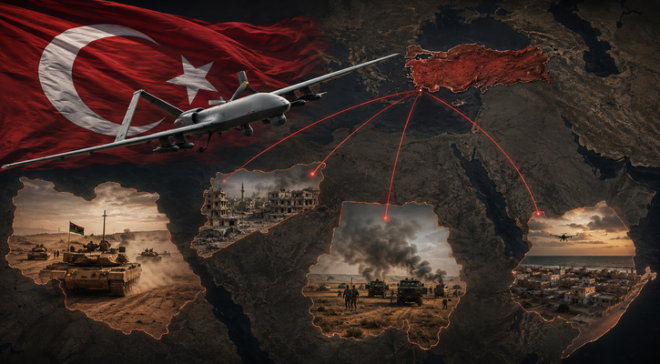
Türkiye has developed one of the strongest security partnerships with Somalia in recent years. Ankara has supported the training of Somali soldiers, provided military assistance and maintained a significant institutional relationship with Somalia’s security sector.
A growing security partnership
Türkiye’s involvement in Somalia has expanded considerably over the past decade. Turkish support has included military training, defense cooperation and assistance aimed at strengthening Somalia’s national security institutions.
The partnership has been welcomed by Somali authorities as part of efforts to rebuild the country’s security forces following decades of conflict.
However, the expansion of foreign military involvement also creates questions about oversight and accountability, particularly when operations take place in politically sensitive areas.
Questions surrounding Doolow
The incident in Doolow has intensified political disagreements between different Somali actors. According to the report, Jubaland has blamed Türkiye and Somalia’s federal authorities over the incident.
Such accusations are particularly sensitive because Doolow is located in a strategically important area near Somalia’s border with Ethiopia. The region has political, security and economic significance for both federal and regional authorities.
The incident has therefore become part of a wider debate over relations between Somalia’s federal government and regional administrations.
Foreign military cooperation
Somalia depends on international partners for training, equipment and other forms of security assistance. While such cooperation remains important, questions over command structures and responsibility can become politically sensitive.
Foreign military support can strengthen national institutions when it is conducted transparently and within clearly defined agreements. At the same time, disagreements can emerge when different Somali authorities have competing political or security interests.
The Doolow controversy highlights the need for clearer communication between Somalia’s federal authorities, regional governments and international partners.
The road ahead
Türkiye remains an important security partner for Somalia, and both countries have strong political and military ties. The latest controversy, however, could increase pressure for greater clarification about the circumstances surrounding military operations and the responsibilities of foreign partners.
For Somalia, the broader challenge is balancing international security cooperation with national sovereignty, political consensus and institutional accountability.
As the country continues rebuilding its security sector, questions surrounding foreign military operations are likely to remain an important part of the national political debate.